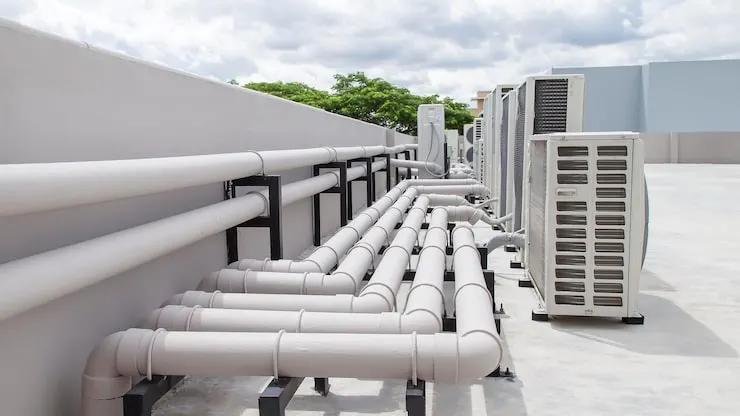
In commercial buildings, industrial facilities, and rapidly developing urban spaces, HVAC systems shape how energy is used and managed. These systems—for heating, ventilation, and air conditioning—often consume the largest share of electricity in buildings, ranging from about 30% up to 60%, with even higher usage in hot regions such as the GCC. Rising energy costs and growing sustainability demands mean organizations can no longer rely on outdated HVAC setups. Smarter, data-driven HVAC operations have become a necessity to achieve cost savings, improve comfort, and enhance long-term asset value.
At Clenergize, we help businesses enhance HVAC performance through expert engineering, diagnostics, automation, and integration with sustainability goals. Our approach goes beyond energy efficiency to embrace resilience, compliance, and future readiness—supporting operational excellence and ESG leadership.
Why HVAC Systems Are Now More Important Than Ever
Rising Energy Costs: Electricity prices worldwide have surged, making every improvement in HVAC efficiency a valuable saving. Inefficient systems quietly inflate energy bills and strain budgets.
ESG and Green Building Compliance: Frameworks like LEED, Estidama, Green Mark, and BREEAM assess HVAC performance rigorously. Organizations aiming for green certifications or better ESG scores must back their HVAC efficiency with reliable data.
Indoor Environmental Quality: HVAC impacts comfort, air quality, humidity, and thermal stability—all critical for occupant health and productivity in spaces like hospitals, hotels, and offices.
Operational Reliability: Aging or poorly maintained HVAC systems lead to costly breakdowns and downtime. Regular optimization and upgrades extend asset life and improve dependability.
Uncovering Hidden HVAC Inefficiencies
Many building managers believe their HVAC systems are working well, but in truth, multiple issues often reduce efficiency:
Oversized or undersized equipment from flawed initial design
Poorly calibrated sensors and imbalanced airflow
Aging chillers and equipment running below peak performance
Manual overrides disrupting automation and schedules
Lack of insulation causing heat loss
Unnecessary operation during low-occupancy periods
Inadequate maintenance increasing energy waste
Without detailed diagnostics, these inefficiencies persist unseen—sapping energy and comfort every day.
What Makes an HVAC System Smart?
Modern HVAC systems combine intelligent controls and real-time monitoring with predictive analytics to optimize performance continuously. Instead of running on set schedules, they adjust dynamically by responding to occupancy, weather, air quality, and load demands. Key components include:
Automated control systems that adapt cooling and ventilation intelligently
Variable Frequency Drives (VFDs) matching motor speeds to demand
IoT sensors tracking temperature, humidity, airflow, and pressure zones
Real-time dashboards linked to Building/Energy Management Systems for visibility
Demand-controlled ventilation reducing energy use in unused zones
AI-based maintenance predicting failures before they occur
Digital commissioning tools verifying precise system function
These features turn HVAC from a static cost center into a self-optimizing asset.
Smarter systems can cut HVAC energy use by 15–40%, depending on building type and existing equipment. Savings come from:
Optimized chilled water temperatures and improved heat transfer
Reduced fan and pump energy through VFDs
Balanced airflow eliminating hot or cold spots
Integration with renewable energy sources like solar cooling
Demand-based fresh air ventilation
Along with lower utility bills, these improvements extend equipment life and boost environmental performance.
Clenergize’s Comprehensive HVAC Support
Our offerings cover every stage to realize smarter HVAC potential:
Energy Audits & Diagnostics: Thorough analysis to find inefficiencies in chillers, AHUs, pumps, fans, ducts, and control systems.
Retro-Commissioning: Resetting and fine-tuning existing systems restores original performance without costly replacements.
System Redesign & Upgrades: For expansions or modernization, we design efficient HVAC plants aligned with latest standards.
Smart Monitoring & Analytics: IoT sensor integration and EMS/BMS dashboards provide ongoing energy use insights.
ESG & Green Building Alignment: Our ESG+™ platform links HVAC metrics to sustainability goals, supporting carbon reporting and certifications.
The Future of HVAC
Upcoming innovations include AI for chiller optimization, digital twins of cooling systems, high-efficiency refrigerants, grid-interactive buildings, and further renewables integration. Early adopters will enjoy cost, compliance, and resilience advantages.
Conclusion
The era of inefficient HVAC systems is ending. Smarter, automated, and optimized HVAC technology is no longer optional; it is essential for controlling costs, improving comfort, and meeting sustainability targets. Clenergize is your partner in navigating this transformation—from energy audits to digital monitoring to ESG reporting—ensuring your HVAC investment delivers lasting business value.
Ready to unlock smarter energy performance through HVAC? Let’s talk.