Industrial Decarbonization: A New Competitive Advantage
Around the world—from the Middle East and South Asia to Europe and Africa—manufacturers face a rapidly changing landscape. No longer focused solely on boosting operational efficiency and output, industries today are under mounting pressure to reduce carbon emissions, enhance sustainability, and improve energy performance. Tightening regulations, growing customer demands for transparency, reconfigured supply chains, and investors’ increasing emphasis on climate resilience and emissions data are reshaping the playing field. Industrial decarbonization has shifted from being a voluntary green initiative to a powerful business strategy and a key differentiator.
At Clenergize, we support manufacturers and industrial operators in creating sustainable, future-proof operations. Our expertise spans energy efficiency improvements, renewable energy integration, carbon footprint assessment, and ESG benchmarking. From solar and hybrid solutions to HVAC optimization and life cycle assessments (LCA) with Environmental Product Declaration (EPD) development, we help industries transition from carbon-heavy practices to cleaner, cost-effective, and resilient systems.
Why Industrial Decarbonization Is Critical Now
Manufacturing accounts for close to 30% of global CO₂ emissions, making it one of the most energy-intensive sectors worldwide. For energy-heavy industries such as cement, steel, chemicals, mining, plastics, pharmaceuticals, food processing, and logistics, the need to decarbonize has never been more urgent.
Several key factors are driving this change:
Rising Operational Costs: Energy prices remain volatile, and diesel-reliant operations face steep financial risks. Adopting decarbonization measures like solar, hybrid energy systems, energy efficiency upgrades, and process optimization often leads to significant savings—many companies report 20–40% reductions in operational expenses.
Export Pressures & Supply Chain Transparency: Manufacturers that serve international markets face stricter environmental disclosure requirements. Buyers in Europe, the US, and Asia-Pacific prioritize low-carbon suppliers; failing to meet these standards can cost contracts or bring penalties.
ESG & Regulatory Compliance: Governments worldwide are mandating climate-related disclosures, sector-specific emissions limits, and carbon reporting. From ESG frameworks to Carbon Border Adjustment Mechanisms (CBAM) and national net-zero goals, decarbonization has become a legal, financial, and reputational necessity.
Investor Expectations: Financing often hinges on sustainability metrics. Companies with clear decarbonization roadmaps benefit from better credit conditions and enhanced investor trust.
Competitive Edge: Cutting emissions reduces costs and elevates brand reputation, attracting global partners seeking sustainable supply chains.
Understanding Industrial Emissions
Effective decarbonization begins with a clear understanding of emissions sources, which are typically broken down into:
Scope 1: Direct emissions from fuel combustion, diesel generators, industrial heating, and refrigerants.
Scope 2: Indirect emissions from purchased electricity powering HVAC, motors, compressors, and processes.
Scope 3: Supply chain emissions including raw materials extraction, packaging, transport, waste management, and product lifecycle impacts. Usually accounting for over 70% of total emissions, Scope 3 is the most complex to measure but essential to address for credibility.
Decarbonization is unique to every manufacturer, influenced by operational nuances, costs, and technology readiness. However, successful programs generally follow a roadmap:
Establish a Carbon Baseline: Measure current emissions comprehensively, including fuel consumption, electricity use, refrigerant leaks, supply chains, and process outputs. Clenergize supports full Scope 1, 2, and 3 footprinting to provide transparency and accuracy.
Identify Low-Cost, High-Impact Efficiency Upgrades: Energy efficiency remains the fastest and most affordable path to emission reductions. Through industrial energy audits, opportunities often emerge across HVAC systems, motors, pumps, compressors, process heating/cooling, lighting, and workflows, typically delivering 10–25% savings.
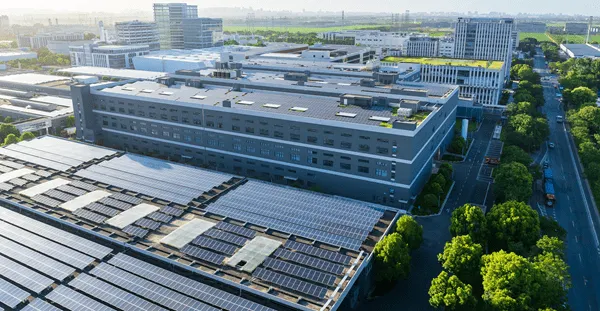
Integrate Renewables & Hybrid Systems: Adoption of solar PV, solar-diesel hybrids, battery storage, and on-site microgrids is rising sharply in KSA, UAE, India, and Africa. Clenergize has helped clients deploy over 1,000 MW of such solutions dropping diesel dependence by 40–70%.
Electrify Processes: Transitioning to electric furnaces, heat pumps, and induction equipment reduces Scope 1 emissions and boosts efficiency—especially when paired with clean electricity.
Optimize HVAC Performance: HVAC is a significant energy-consuming system in manufacturing. Improving chiller efficiency, cooling distribution, ventilation, air quality, and humidity controls supports both energy and emissions goals.
Develop Long-Term Roadmaps: A decarbonization plan should set clear 2030/2050 targets, define technology pathways, perform cost-benefit analysis, schedule investments, and establish KPIs for ESG disclosures.
Benefits of Industrial Decarbonization
Lower Operational Costs: Upgrades in efficiency and renewables lower long-term expenses substantially.
Expanded Market Access: Low-carbon manufacturers become preferred suppliers in global markets that value sustainability.
Stronger Brand Reputation: Commitment to reducing emissions builds trust among customers, partners, and regulators.
Mitigated Risks: Decarbonization shields companies from carbon taxes, fuel price volatility, tender exclusions, and compliance penalties.
Enhanced ESG Performance: Reduced carbon footprints improve ratings and enable automated, transparent emissions tracking with Clenergize ESG+™.
How Clenergize Accelerates Industrial Decarbonization
Our integrated approach blends engineering, energy consultancy, and sustainability expertise. We offer:
Comprehensive carbon footprinting across all emission scopes.
Energy audits tailored to uncover efficiency and optimization.
Feasibility and design of solar and hybrid energy systems.
LCA and EPD services for accurate product-level impact insights.
Strategic net-zero roadmaps and targeted emission reduction plans.
ESG reporting automation with custom dashboards.
Continuous implementation monitoring and performance optimization.
Clients benefit from practical, investment-ready pathways that cut emissions and boost industrial competitiveness.
Conclusion
Manufacturers globally see decarbonization not as an expense but as an investment essential for resilience, profitability, and sustained growth. Amid increasing regulatory demands, rising energy costs, and heightened transparency expectations, industrial decarbonization is emerging as a critical competitive advantage.
At Clenergize, we collaborate with industrial players to design and execute decarbonization strategies that generate measurable environmental and financial returns. From energy efficiency through renewables integration to full ESG management, we help manufacturers thrive in the evolving global economy.
Ready to build your industrial decarbonization roadmap? Let’s talk.