
For companies in the commercial and industrial (C&I) sector, onsite solar is no longer just an energy initiative—it is a financial, operational, and governance decision. With rising electricity costs, grid reliability concerns, and increasing ESG scrutiny, organizations across the GCC and MENA region are actively evaluating onsite solar deployment.
However, the success of a solar project depends not only on system design or technology, but on selecting the right solar commercial models. The commercial structure chosen at the outset can materially influence long-term operating costs, balance-sheet exposure, risk allocation, and governance outcomes.
Among the available options, solar lease agreements—particularly BOOT and developer-managed structures—have emerged as one of the most effective pathways for organisations seeking zero-CAPEX adoption with predictable cost savings.
At a high level, solar commercial models define how a solar asset is financed, owned, operated, and monetised over its lifecycle. In the C&I sector, these models typically fall along a spectrum between full ownership and fully outsourced solutions.
Common structures include:
Each model carries different implications for cash flow, operational responsibility, performance risk, and accounting treatment. For many corporates, especially those prioritising capital efficiency, leased and developer-managed structures offer a compelling balance between savings and risk management.
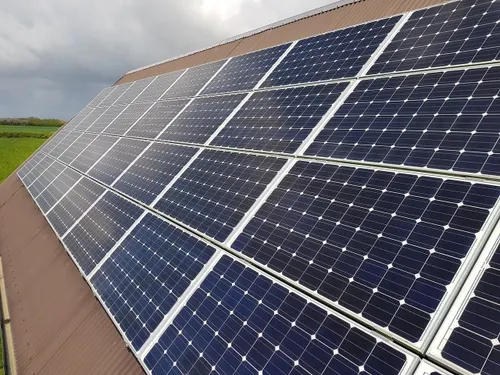
Solar lease-based solar commercial models are particularly attractive for businesses that want to avoid upfront capital expenditure while still benefiting from onsite generation. Under these arrangements, the developer finances, installs, owns, and operates the solar plant, while the host facility consumes the power generated.
Key advantages include:
In BOOT structures, ownership may transfer to the host after a defined period, allowing organisations to benefit from asset ownership once the system has largely paid for itself.
When evaluating solar commercial model, commercial terms deserve close scrutiny. Tariff structures, escalation clauses, contract tenure, and termination rights all influence long-term economics.
Organisations should carefully assess:
A well-structured lease should deliver clear, measurable savings over the contract life—not just in the early years.
One of the key benefits of a lease-based solar commercial model is the ability to transfer technical and performance risk to the developer. However, this only holds true if performance guarantees are clearly defined and enforceable.
Critical elements to evaluate include:
Without robust performance clauses, projected savings can erode over time.
Beyond cost and performance, governance exposure is an often-overlooked aspect of solar commercial models. Long-term lease agreements create ongoing contractual relationships that must align with internal governance, ESG commitments, and compliance requirements.
Key governance considerations include:
For organisations subject to sustainability reporting or investor scrutiny, clarity on these points is essential.
In the GCC and broader MENA region, regulatory frameworks, utility policies, and grid-interconnection rules vary significantly by country. These regional nuances directly affect the viability of different solar commercial models.
Factors such as net-metering rules, behind-the-meter permissions, land ownership structures, and contract enforceability must be evaluated alongside commercial terms. What works well in one jurisdiction may not be optimal in another.
This makes local knowledge and due diligence especially important for multi-site or regional rollouts.
At Clenergize, selecting the right solar structure is approached as a strategic decision—not just a technical one. Clenergize supports C&I clients across the GCC and MENA region with end-to-end evaluation of solar commercial models, from initial feasibility to contract review.
This includes commercial modelling, technical due diligence, risk assessment, and governance review to ensure projects are structured for long-term value. By aligning commercial terms with operational realities and ESG objectives, Clenergize helps organisations avoid common pitfalls associated with poorly structured lease agreements.
There is no one-size-fits-all solution when it comes to a solar commercial model. The right structure depends on a company’s financial priorities, risk appetite, operational complexity, and sustainability goals.
What is consistent, however, is the importance of rigorous upfront evaluation. Solar projects are long-term assets, and the commercial decisions made at contract stage will shape outcomes for decades.
For organisations planning onsite solar deployment, investing time in understanding lease structures, performance guarantees, and governance safeguards is not optional—it is fundamental to capturing the full value of the transition to clean energy.
If you’re assessing which model best fits your facility or portfolio, expert advisory support can make the difference between a good project and a resilient, future-ready one.