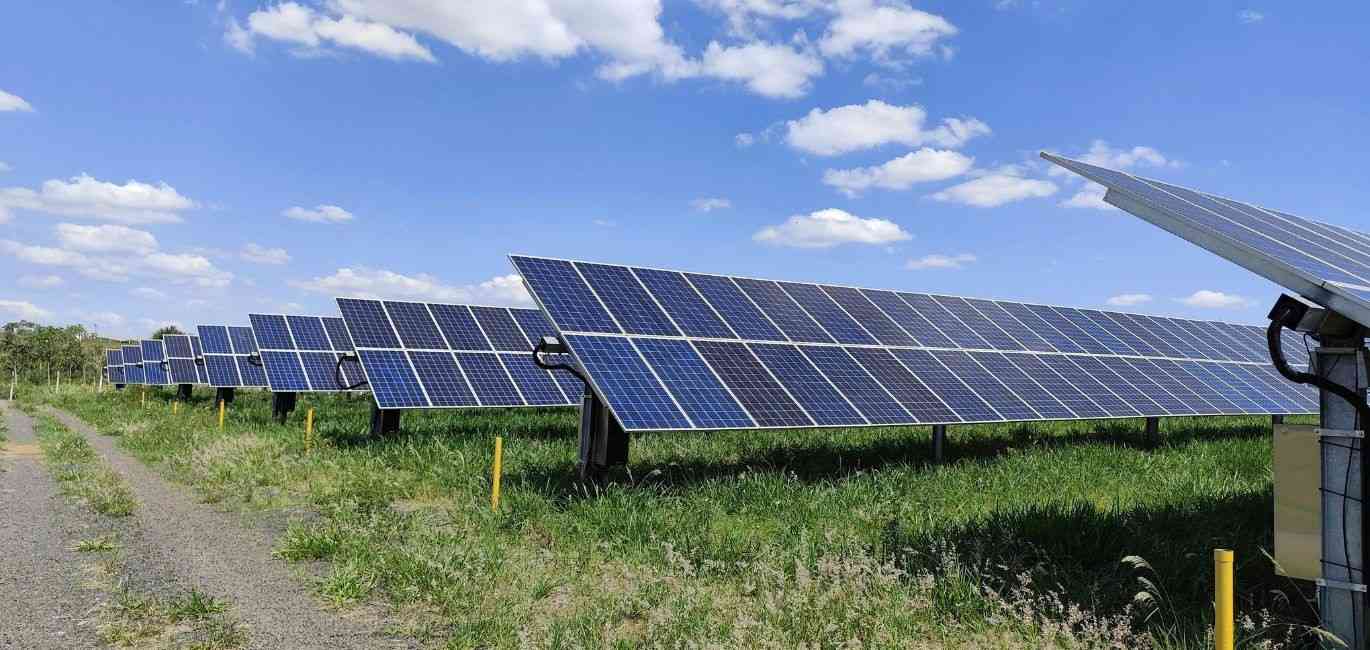
South Africa’s energy story has changed dramatically. Not long ago, the conversation was dominated by load shedding schedules and emergency backup generators. Today, the conversation has shifted to grid-connected solar, utility-scale procurement, and a regulatory environment that is actively encouraging clean energy investment.
The foundations for this shift were laid through a series of major policy moves in 2025, and in 2026, we are starting to see those policies translate into real results. If you are a business owner, developer, or investor watching this market, here is what you need to understand about where South Africa stands and where it is heading.
Everything starts with the Electricity Regulation Amendment Act, which came into full effect in January 2025. This was the legislation that changed the rules of the game for South Africa’s energy sector. It dismantled a lot of the red tape that had kept independent power producers on the sidelines for years.
Before this Act, getting a license for a solar or renewable energy project was a slow, expensive process. Smaller developers and businesses were often priced out before they even broke ground. The new framework streamlined licensing for small-scale and backup power facilities and opened the market to far greater private sector participation.
Now, heading into 2026, the impact of that opening is becoming visible. Developers who spent 2025 navigating the new framework are moving into construction and commissioning phases. Businesses that were previously waiting for regulatory certainty are now signing power purchase agreements and building energy resilience into their operations.
If your organization is still in the planning stage, understanding this regulatory shift is essential. The solar energy consulting services available today are specifically designed to help businesses make sense of evolving frameworks like this one and turn policy clarity into project action.
One of the most practical policy changes that carried over from 2025 into this year was Eskom’s simplified solar registration program. Announced in October 2025, the new rules removed registration and connection fees for solar systems up to 50 kVA and allowed installations to be certified by Department of Labour-registered electricians rather than ECSA-accredited professionals.
These changes made rooftop solar accessible to a much wider segment of the population. The removal of expensive professional certification requirements brought down installation costs. The elimination of connection fees removed the last financial excuse many households and small businesses had for not going solar.
Eskom also continued offering financial assistance of up to R10,000 for qualifying installations, which helped bring solar within reach for customers who were on the edge of affordability.
As we move through 2026, the cumulative effect of these measures is showing up in installation numbers. South Africa’s rooftop solar sector has seen a meaningful uptick, and the grid is absorbing distributed generation at a scale that would have seemed optimistic just two years ago.
For anyone who has been sitting on a rooftop solar decision, the infrastructure, the policy, and the economics are all aligned right now. Exploring a solar rooftop assessment is a practical first step to understanding what your specific site could generate and save.
According to the International Energy Agency’s latest World Energy Outlook, rooftop solar is consistently among the fastest-growing clean energy segments globally, and markets that reduce grid connection barriers see adoption accelerate sharply within 12 to 18 months of policy change. South Africa is a live example of exactly that dynamic.
At the larger scale, South Africa’s Renewable Energy Independent Power Producer Procurement Programme, known as REIPPPP, has been delivering results. Under Bid Window 7, six solar projects totaling 1,290 MW were approved in the Free State province, all operating under 20-year power purchase agreements.
The Free State is an ideal location for utility-scale solar. High solar irradiance, available land, and improving grid infrastructure make it one of the more attractive development zones on the continent. These six projects are now actively moving through development, and their output will add meaningful baseload capacity to a national grid that has been under pressure for years.
Beyond these specific approvals, South Africa’s government has committed to deploying at least 3 GW of new renewable energy annually, with plans to scale that figure up to 5 GW per year by 2030. In 2026, that ambition is being tested against reality, and the early signals are encouraging.
For developers and investors, the REIPPPP framework continues to be one of the more transparent and competitive procurement mechanisms on the continent. Long-term power purchase agreements give revenue visibility, and the government’s stated targets give pipeline confidence.
Understanding project structuring, grid studies, and bankability early can save time and cost when entering South Africa’s utility solar market. The solar utility power plant consulting services available through experienced advisors can help you navigate from pre-feasibility through to financial close.
World Resources Institute highlights that transparent frameworks like REIPPPP are key to attracting large-scale private investment in renewables. South Africa’s continued commitment to the program is a positive signal for the broader market.
Stepping back and looking at the full picture in 2026, South Africa’s solar market has matured considerably. A year ago, the policy framework was new and untested. Today, the regulations are operational, the procurement pipeline is active, and the private sector is responding.
A few things stand out as particularly important for anyone engaging with this market right now. The regulatory environment is more stable than it has been in years. The Electricity Regulation Amendment Act removed a lot of uncertainty. Eskom’s simplified grid connection rules have reduced the friction that previously slowed rooftop adoption.
The utility pipeline is real. The 1,290 MW approved under REIPPPP Bid Window 7 is not just a headline number. These are projects with land, agreements, and development timelines. They represent genuine demand for engineering, procurement, and construction services.
Distributed solar is accelerating. Households and businesses across South Africa are making solar decisions based on economics, not just ideology. With rising electricity tariffs and falling solar costs, rooftop solar payback is more compelling than ever.
Energy storage is becoming part of the conversation. As solar penetration increases, battery energy storage systems are becoming a natural complement to both rooftop and utility installations. Businesses that plan for storage from the start will be better positioned as grid dynamics evolve. Learning more about BESS and microgrid solutions is increasingly relevant for any serious energy strategy in this market.
South Africa has crossed an important threshold. The energy transition here is no longer a plan on paper. It is a market in motion, with real projects, real policy support, and real investment flowing in.
For businesses operating in South Africa or looking to enter, the question is no longer whether to engage with solar energy. The question is how to do it well, how to structure projects that are technically sound, financially viable, and aligned with where the regulatory environment is heading.
Staying informed about how markets like South Africa are evolving is part of making good energy decisions. The Clenergize Insights hub covers solar and clean energy market developments across regions. And it is a useful resource if you want to track what is happening beyond the headlines.
South Africa in 2026 is not the country that was rationing electricity a few years ago. It is a market that is building something different, and the policies driving that change are worth understanding closely.